Here is a small collection of medical tutorials from the manufacturers of various IFAK kit components. They're gory, so you've been warned. Most of these have been on the blog in the past, but now they're in one place.
QuikClot Combat Gauze - pack into the wound. The same thing is done with normal gauze, too.
More videos after the jump.

Showing posts with label medical. Show all posts
Showing posts with label medical. Show all posts
8/29/12
Prepping on $40 a week: Budget IFAK
 |
| Contents of an IFAK - clockwise from the top: NPA, TK4 tourniquet in the middle, combat gauze, gloves, H&H gauze and an Isreali bandage. |
For a survivor, having these same supplies and the knowledge on how to use 'em can be a life saver.
You can buy very nice and capable IFAKs, premade and ready to go. But, they will run you around a hundred bucks, outside our budget. Never fear, you can put together a similar kit for within our $40 budget--yep, really.
How? We'll walk you through it - click below!


5/29/12
Tactical Combat Casualty Care Resources
Came across this wealth of training information for the military's Tactical Combat Casualty Care (TCCC program) and had to share. This looks like the complete curriculum used in TCCC training, but I may be wrong. A ton of information here for handling battlefield injuries, including training info for tourniquets, wound packing, sucking chest wounds and other battlefield injuries.
Great resource worth exploring. The documents contain gory battlefield injury photographs, so not for the squeamish!
Check it out right here >
Great resource worth exploring. The documents contain gory battlefield injury photographs, so not for the squeamish!
Check it out right here >
3/15/12
Review: The Doom and Bloom Survival Medicine Handbook

The Handbook is the best effort that I've seen on the subject, covering a huge breadth of issues including stocking medical supplies (including antibiotics and natural remedies), hygiene issues, infections, treating a variety of injuries (includes a primer on suturing, treating fractures), coping with chronic medical conditions, and a variety of other topics like child birth, treating hypo or hyperthermia and more.
I would not go into this book expecting to become a true expert on any one topic--that will take additional study, training and practice. But, with the knowledge contained in this book and some supplies, you will have an excellent foundation for responding to a wide variety of potential post-collapse medical problems.
What's more is that the Doom and Bloom handbook is written by actual medical professionals! Dr. Bones is an actual M.D. with 25 years experience and Nurse Amy is an Advanced Nurse Practitioner. They're avid preppers and exceptionally friendly, outgoing and eager to help the survival/preparedness community.
The handbook is a little bit pricey--$34.99 for a paperback book--but it is also in limited production, probably actually print-on-demand. Costs are a lot higher on this level of production versus say a big 100,000 book print run. It's a hefty 440 pages of info and well worth the asking price, in my opinion. A welcome addition to your survival bookshelf!
Get The Doom and Bloom Survival Medical Handbook >
Update: Dr. Bones sent over a discount code, just for you guys! It's good for $5 off the cover price. The info:
Purchasers can go to www.createspace.com/3697264 and plug in the code: XNEN7538
to get the book at the discount price. This code will be good
until April 6th, and is nowhere else at present.
to get the book at the discount price. This code will be good
until April 6th, and is nowhere else at present.
2/15/12
At home blood type test

Knowing your blood type is important in a medical emergency, and if you don't know yours, there are fairly simple at-home tests that you can use to figure it out. I picked up this kit from Amazon for under $11 bucks; it contains everything needed to perform the test.
7/23/11
TEOTWAWKI Antibiotics
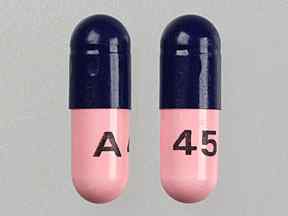 |
Antibiotics are an amazing piece of modern medicine. I would personally be dead without antibiotics, and I'm sure many of you would be too. They've saved the lives of millions - probably billions. And, after TEOTWAWKI, they'll become amongst the most valued remnants of the old world.
Think of it. You get an infected cut or come down with strep throat. You will die without antibiotics and you're probably well aware of it. What would you give for a bottle of the little magical pills? Probably anything.
Unfortunately, you can't just stroll on down to the local big box store and buy a TEOTWAWKI supply of antibiotics. You need a prescription, and doctors usually don't just hand those out to anyone who wants a few bottles of amoxicillin "just in case." So, what to do? Click below to find out!
1/25/11
Blow Out Kit

Here's the blow out kit/IFAK/gun show wound kit that I keep in the QND. I'm no knowledgeable medical professional, so the contents are based off of the recommendations of others and those published by the US forces. I've posted instructional videos for the use of most of these things in the recent past.
Stored in the zip loc (keeps it organized):
- Pair of nitrile gloves
- 4" Israeli bandage
- Pack of HALO Chest Seals
- NPA (naso-something-er-other airway)
- Compressed gauze
- QuikClot Combat Gauze
And right next to everything is a SOF-T tourniquet, which generally gets the nod over the competition for its more sturdy construction. Overall cost of the kit was around $70. As I've written previously, you can put together a kit for less; something is much better than nothing.
The kit fits well inside the front compartment of the QND and has the basic first aid supplies for a nasty injury. This is my "good" kit, for the home or bugging out. My challenge now is to get my wife up-to-speed with response to a traumatic injury; I don't want to count on being conscious and together enough to pack my own gunshot wound.
1/17/11
Thoughts on Blowout Kits
Over the weekend I posted up a bunch of videos for various traumatic aid products--the SOF-T tourniquet, Israeli bandage, HALO chest seal, Quikclot, and a general wound packing video. These products get mentioned a lot when people talk about putting together some kind of gunshot wound/blowout/individual first aid kit, but I had to do some digging to find some actual tutorials on their use.
I think some kind of blowout kit is a very wise preparation for anyone who owns firearms, carries 'em or plans to use them come TEOTWAWKI. Heck, forget firearms--serious injuries can happen anywhere, from any cause. I think every adult should know some basics for responding to a traumatic injury of that level...packing a wound with gauze, applying pressure to stop bleeding, use of a tourniquet and so on. They're basics and they could save a life.
One barrier I see to putting together one of these kits is the perceived cost of putting a kit like this together. In most of the recommended lists, you've got about $150 in medical gear. $40 quikclot, $35 tourniquet, chest seals and so on. You can spend a lot of money on the best stuff. Will it help? Yep...quality gear is a good investment. However, don't let expense deter you from putting together a kit. Having something, plus the knowledge of how to use it, is much better than nothing.
The basics--gauze, a bandage to hold pressure and a tourniquet--can be put together for under $20. An eBay search for "IFAK" will turn up surplus USGI-issue individual first aid kits, most of them for under $30. Heck, if all you can afford is a couple rolls of gauze and a bandanna, do that. Upgrade as you can afford it and read up on the usage of these items.
I've been guilty of being woefully under-prepared for a traumatic injury for far too long. An investment of a little over $100 has enabled me to put together one very good kit for the home and two decent kits for each vehicle. It gives me good peace of mind to know that these tools will always be nearby, just in case. I will post up details in the near future.
Now I just need to get my wife to sit through some of the instructional videos...
Thanks go out to Sua Sponte, author of Guerrilla Sniper 2, and the guys at ITS Tactical for inspiration for this project.
I think some kind of blowout kit is a very wise preparation for anyone who owns firearms, carries 'em or plans to use them come TEOTWAWKI. Heck, forget firearms--serious injuries can happen anywhere, from any cause. I think every adult should know some basics for responding to a traumatic injury of that level...packing a wound with gauze, applying pressure to stop bleeding, use of a tourniquet and so on. They're basics and they could save a life.
One barrier I see to putting together one of these kits is the perceived cost of putting a kit like this together. In most of the recommended lists, you've got about $150 in medical gear. $40 quikclot, $35 tourniquet, chest seals and so on. You can spend a lot of money on the best stuff. Will it help? Yep...quality gear is a good investment. However, don't let expense deter you from putting together a kit. Having something, plus the knowledge of how to use it, is much better than nothing.
The basics--gauze, a bandage to hold pressure and a tourniquet--can be put together for under $20. An eBay search for "IFAK" will turn up surplus USGI-issue individual first aid kits, most of them for under $30. Heck, if all you can afford is a couple rolls of gauze and a bandanna, do that. Upgrade as you can afford it and read up on the usage of these items.
I've been guilty of being woefully under-prepared for a traumatic injury for far too long. An investment of a little over $100 has enabled me to put together one very good kit for the home and two decent kits for each vehicle. It gives me good peace of mind to know that these tools will always be nearby, just in case. I will post up details in the near future.
Now I just need to get my wife to sit through some of the instructional videos...
Thanks go out to Sua Sponte, author of Guerrilla Sniper 2, and the guys at ITS Tactical for inspiration for this project.
1/15/11
1/14/11
How to Use the Israeli Bandage
I'll be posting several medical related YouTube videos over the weekend. I've dug these up during my research and though they would be helpful to share: First up is the Isreali/Emergency Bandage.
1/5/11
The Importance of Medicine
I was researching medicines to have on hand for TEOTWAWKI when, ironically, my family came down with a nasty bought of stomach flu. Fever, nausea, headaches, and unable to keep much of anything down. We were completely out of commission for a day and a half and luckily woke up feeling better this morning.
When you're healthy, you don't really notice it, but when you're unhealthy, you're sure as hell do. There's nothing like a few days of sickness to remind you of how important it is to be healthy, and how quickly sickness can knock you out of commission.
Illness will become even more prevalent in a TEOTWAWKI world, with compromised hygiene, water and food sources and an increased likelihood of injury. Without access to antibiotics, death from things like strep throat or infected cuts will become common. Scary and true.
Now if your vision for TEOTWAWKI includes lots of running gun battles, knife fights and the like, remember that each one of those wounds--even a relatively minor one--would have a very high likelihood of infection. The wound may be perfectly survivable, but a nasty infection would not be.
Today, many in the military are issued a pill pack that soldiers are to take upon being wounded. It contains, amongst other things, a broad-spectrum antibiotic. This is today, in modern times, where a wounded soldier is quickly evac'd to medical care. Even in those conditions, when a wounded soldier is only a short time away from medical care, the army's physicians have deemed it beneficial for them to take an antibiotic immediately upon being wounded. That's how serious the risk of infection is today. Now translate that over to TEOTWAWKI times, when there IS no other medical care. Not a good situation to be in.
Heck, just think of the times where antibiotics cured you of a nasty illness. I can personally think of several--several cases of strep throat, pneumonia. Those would have most likely turned fatal without antibiotics.
Of course, antibiotics must be prescribed by a doctor. Some doctors will write a scrip for a small supply of antibiotics for emergency or travel purposes. Many won't. You may have some leftovers from a previous illness. And there are legal ways to obtain antibiotics without a prescription, which can be found with fairly minimal searching--farm/pet medications, overseas pharmacies and so on. Of course, antibiotics should only be taken under the direction of a doctor, etc. etc.
Beyond antibiotics, just take a look at your medicine cabinet. Do you have enough OTC medicine to see you through six months or a year (or more) worth of illnesses? Head colds, coughs, fevers, flus, headaches, diarrhea--the normal, mundane stuff that most of us get at some point throughout a typical year? Those things could also become life threatening in a survival situation.
Luckily, a well-stocked medicine cabinet is not a bank-breaking proposition. Generic OTC medicines are dirt cheap, especially when you buy them on sale. Keep track of flyers from places like Wal Greens and CVS and buy when deals occur. If this is all common sense to you, then good. You'd be surprised how many homes have very minimal medicine on hand. Stock 'em up; you'll use 'em at some point.
Guns, ammo and camping gear are fun and attractive, but don't underestimate the importance of medicine in your survival stores.
When you're healthy, you don't really notice it, but when you're unhealthy, you're sure as hell do. There's nothing like a few days of sickness to remind you of how important it is to be healthy, and how quickly sickness can knock you out of commission.
Illness will become even more prevalent in a TEOTWAWKI world, with compromised hygiene, water and food sources and an increased likelihood of injury. Without access to antibiotics, death from things like strep throat or infected cuts will become common. Scary and true.
Now if your vision for TEOTWAWKI includes lots of running gun battles, knife fights and the like, remember that each one of those wounds--even a relatively minor one--would have a very high likelihood of infection. The wound may be perfectly survivable, but a nasty infection would not be.
Today, many in the military are issued a pill pack that soldiers are to take upon being wounded. It contains, amongst other things, a broad-spectrum antibiotic. This is today, in modern times, where a wounded soldier is quickly evac'd to medical care. Even in those conditions, when a wounded soldier is only a short time away from medical care, the army's physicians have deemed it beneficial for them to take an antibiotic immediately upon being wounded. That's how serious the risk of infection is today. Now translate that over to TEOTWAWKI times, when there IS no other medical care. Not a good situation to be in.
Heck, just think of the times where antibiotics cured you of a nasty illness. I can personally think of several--several cases of strep throat, pneumonia. Those would have most likely turned fatal without antibiotics.
Of course, antibiotics must be prescribed by a doctor. Some doctors will write a scrip for a small supply of antibiotics for emergency or travel purposes. Many won't. You may have some leftovers from a previous illness. And there are legal ways to obtain antibiotics without a prescription, which can be found with fairly minimal searching--farm/pet medications, overseas pharmacies and so on. Of course, antibiotics should only be taken under the direction of a doctor, etc. etc.
Beyond antibiotics, just take a look at your medicine cabinet. Do you have enough OTC medicine to see you through six months or a year (or more) worth of illnesses? Head colds, coughs, fevers, flus, headaches, diarrhea--the normal, mundane stuff that most of us get at some point throughout a typical year? Those things could also become life threatening in a survival situation.
Luckily, a well-stocked medicine cabinet is not a bank-breaking proposition. Generic OTC medicines are dirt cheap, especially when you buy them on sale. Keep track of flyers from places like Wal Greens and CVS and buy when deals occur. If this is all common sense to you, then good. You'd be surprised how many homes have very minimal medicine on hand. Stock 'em up; you'll use 'em at some point.
Guns, ammo and camping gear are fun and attractive, but don't underestimate the importance of medicine in your survival stores.
Subscribe to:
Posts
(
Atom
)